
How Do You Adjust a Charleston Commercial Cleaning Plan for a Busy Building?
Why Every Charleston Commercial Cleaning Plan Should Match Building Traffic
Most Charleston buildings do not need more cleaning. They just need a smarter plan.
That difference matters. When a building feels worn down too early, the problem is often not that the vendor is missing everything. The current Charleston commercial cleaning plan is not built around how the property is actually being used. Elite Touch’s Charleston location page emphasizes tailored commercial cleaning for local businesses, and its broader services pages position custom cleaning plans and floor maintenance as part of the company’s support for commercial properties across Charleston and other service areas.
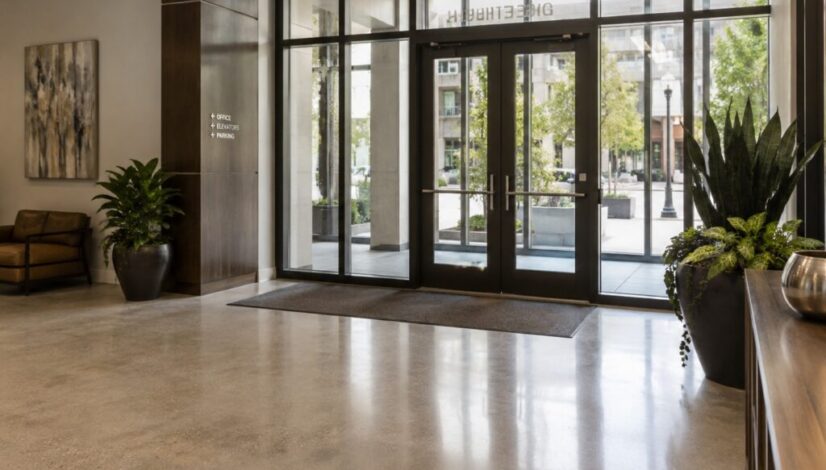
In Charleston, that usually shows up in the same places first. Entry glass loses its polish. Lobby floors pick up soil faster than expected. Shared restrooms drift by the middle of the day. Elevators and high-touch points start looking tired before the evening clean. If your Charleston commercial cleaning plan is still based on square footage alone, it is probably missing the pressure points that tenants, employees, and visitors notice first.
Start by adjusting for traffic patterns, not just building size
Property managers should look at how people move through the building, not just the total square footage.
A smaller building with steady visitor traffic, shared restrooms, and active common areas can need a stronger Charleston commercial cleaning plan than a larger property with lower daytime pressure. That is especially true in Charleston office buildings, condominiums, and mixed-use commercial properties where the front-of-house experience matters all day.
A useful plan should ask:
- Which entrance sees the most traffic?
- Which restroom bank gets used the most?
- Which corridor shows wear first?
- Which areas collect complaints fastest?
- Which shared spaces do people judge first?
If these questions are not shaping your cleaning schedule, the building is likely being cleaned in a generic way instead of a practical one
Focus first on the spaces that lose appearance fastest
In a busy Charleston building, the first signs of wear are usually easy to see and often in shared spaces.
That usually means:
- Lobby and entry areas
- Elevator interiors and buttons
- Shared restrooms
- Breakrooms or tenant kitchens
- Corridor floors
- Trash points near common spaces
This is where a stronger Charleston commercial cleaning plan creates the most value. Not because every area needs the same amount of service, but because some areas shape the reputation of the whole property.
Elite Touch’s Charleston resources and local day porter content already point to moisture, foot traffic, restrooms, and common spaces as recurring pressure points in Charleston properties. The floor maintenance page also stresses that floors are one of the first things people notice when they enter a facility, which is why visible floor wear matters so much in shared spaces.
Separate the night reset from the daytime plan
Many building teams run into problems at this point.
They often try to fix every issue by giving the night crew more work. But a busy building usually needs two things: a full cleaning after hours and lighter upkeep during the day.
A strong commercial cleaning plan should clearly separate those two roles.
Night service is usually best for:
- Full restroom cleaning
- Breakroom reset
- Trash removal
- Vacuuming and mopping
- Broader glass and surface care
Daytime support is usually best for:
- Restroom checks and restocking
- Lobby glass touchups
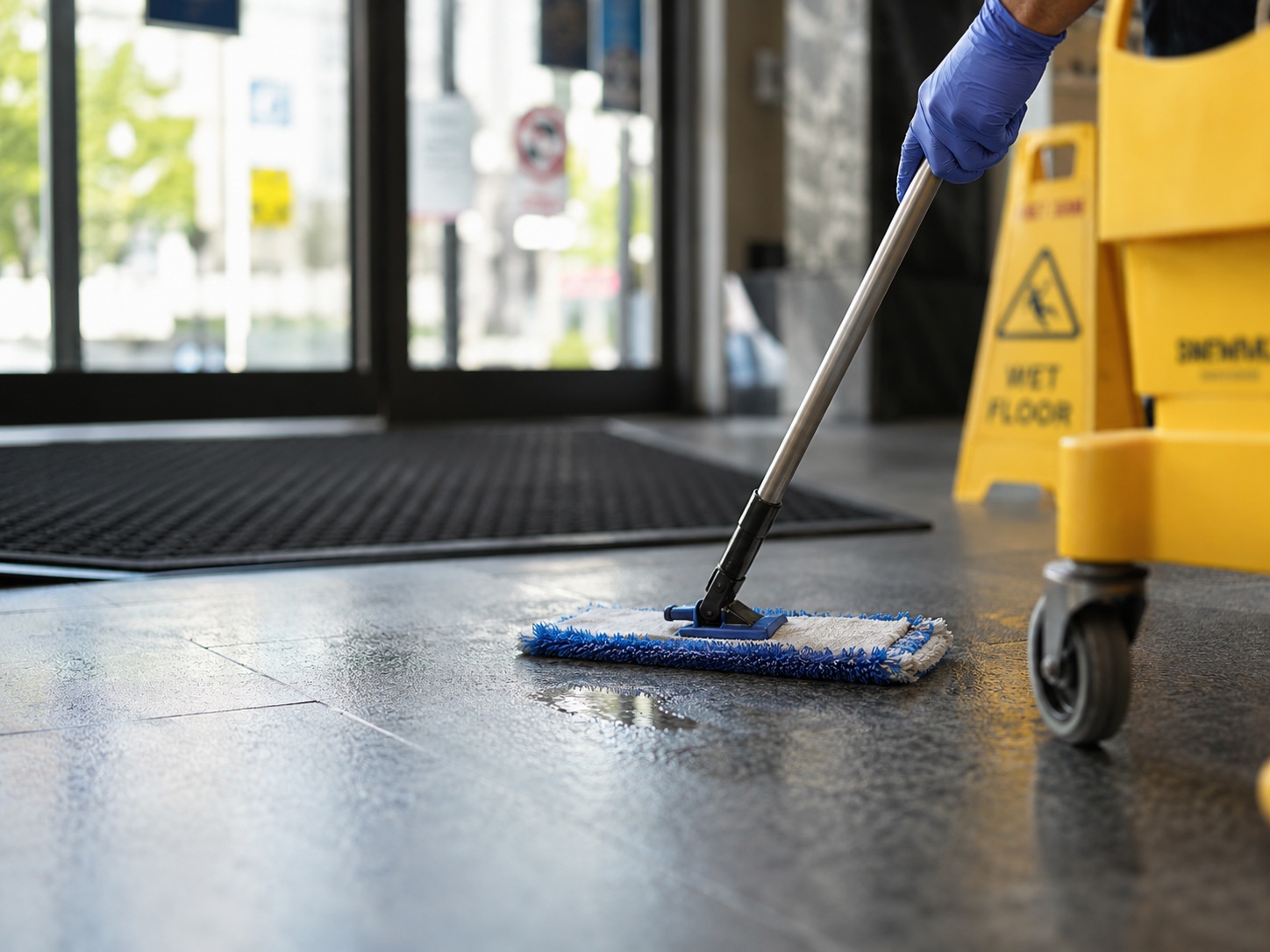
- Spot mopping near entries
- Trash touchups in common areas
- Quick response to visible issues
Elite Touch’s Charleston day porter article makes this distinction clearly. It explains that daytime porter support is useful when moisture, restroom demand, trash volume, and visible common-area issues build while the property is active.
If your building looks clean at 8 a.m. and tired by 1 p.m., the commercial cleaning plan may not need more depth at night. It may need a daytime layer.
Review your entry and floor strategy before complaints start
Busy Charleston buildings often start to show wear right at the front door.
That is because soil, moisture, and traffic move inward quickly. Once that starts, the lobby, elevator paths, and nearby corridors begin to reflect the problem before the rest of the building does. Elite Touch’s floor maintenance pages highlight heavy foot traffic, spills, and dirt as ongoing challenges for commercial floors, and the Charleston daily office checklist content notes that high-traffic floors and entryways show real usage fast in local offices.
A stronger Charleston commercial cleaning plan should review:
- Mat coverage at the main entrance
- How often entry zones are touched up
- Whether high-traffic floors need extra attention
- Whether carpet lanes near entrances are darkening too quickly
- Whether hard-surface floors are losing finish in visible traffic routes
This is not over-planning. It is what helps the building look good, even when the cleaning crew is on schedule.
Adjust restroom and trash coverage to match real building use
Restrooms and trash areas are often the first places where cleaning plans fall short.
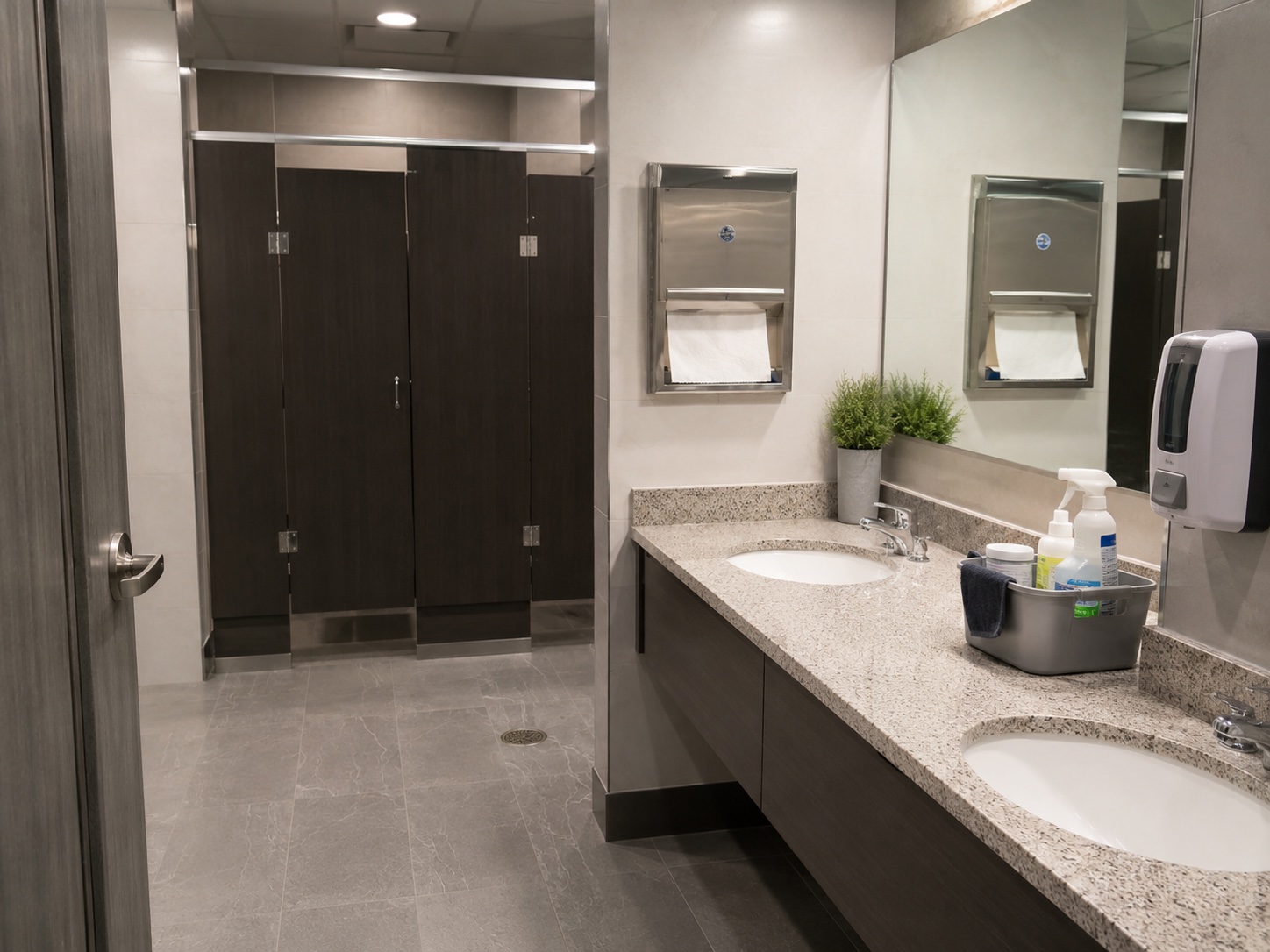
This is not because the tasks are hard, but because how people use these spaces changes faster than the cleaning schedule. A restroom that is fine during a slow month may not keep up when more people are around. A breakroom trash bin that is fine overnight can become a problem by late afternoon.
That is why a strong Charleston commercial cleaning plan should review not only whether those spaces are serviced, but whether they stay presentable between service windows.
In Charleston properties, this often means asking:
- Are restroom checks timed correctly?
- Are common-area bins being emptied before they become visible problems?
- Are supply levels sized for real usage?
- Are the same issues coming back at the same time every day?
These questions are more helpful than just asking for more cleaning.
Build in inspections that test the plan, not just the cleaning
Even with a hard-working cleaning team, a building can still have the wrong plan.
That is why inspections matter. They help a property manager see whether the Charleston commercial cleaning plan still matches the building’s pressure points.
A useful inspection should look at:
- Whether the busiest spaces still look presentable between visits
- Whether the lobby is holding up through the day
- Whether restrooms are drifting too fast
- Whether floors near the entry are wearing down too early
- Whether daytime issues point to a timing gap
The goal is not to add paperwork. It is to see if the plan is still working as it should.
What a better Charleston plan usually looks like
In a busy Charleston property, a stronger commercial cleaning plan is usually more focused, not more bloated.
It focuses on the entry, shared restrooms, visible common areas, the busiest floor paths, and the times of day when the building starts to show wear. It separates night cleaning from daytime touchups and uses inspections to make sure the schedule still fits the building.
If your property feels clean in the morning but worn down too early, that is usually the sign to review the plan, not just push for more effort. A facility walkthrough can help identify where the current Charleston commercial cleaning plan is too generic for the way your Charleston building actually runs.
Contact the professionals at Elite Touch Cleaning Services to learn how a customized commercial cleaning plan can help your Charleston property stay cleaner, safer, and more welcoming every day.
